.webp)
NORTHRIDGE
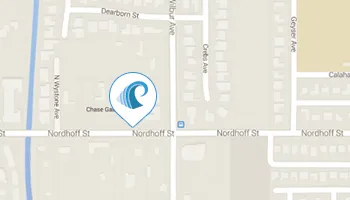
18907 Nordhoff St., #42
Northridge, CA 91324
Ph: 818-349-4956
Email: frontofficepairortho@gmail.com
CALABASAS
23622 Calabasas Road, #101
Calabasas, CA 91302
Ph: 818-222-4543
Email: smiles@calabasastoothfairy.com

NORTHRIDGE
18907 Nordhoff St., #42
Northridge, CA 91324
Ph: 818-349-4956
Email: frontofficepairortho@gmail.com
CALABASAS
23622 Calabasas Road, #101
Calabasas, CA 91302
Ph: 818-222-4543
Email: smiles@calabasastoothfairy.com
Orthodontic Care For Children & Adults
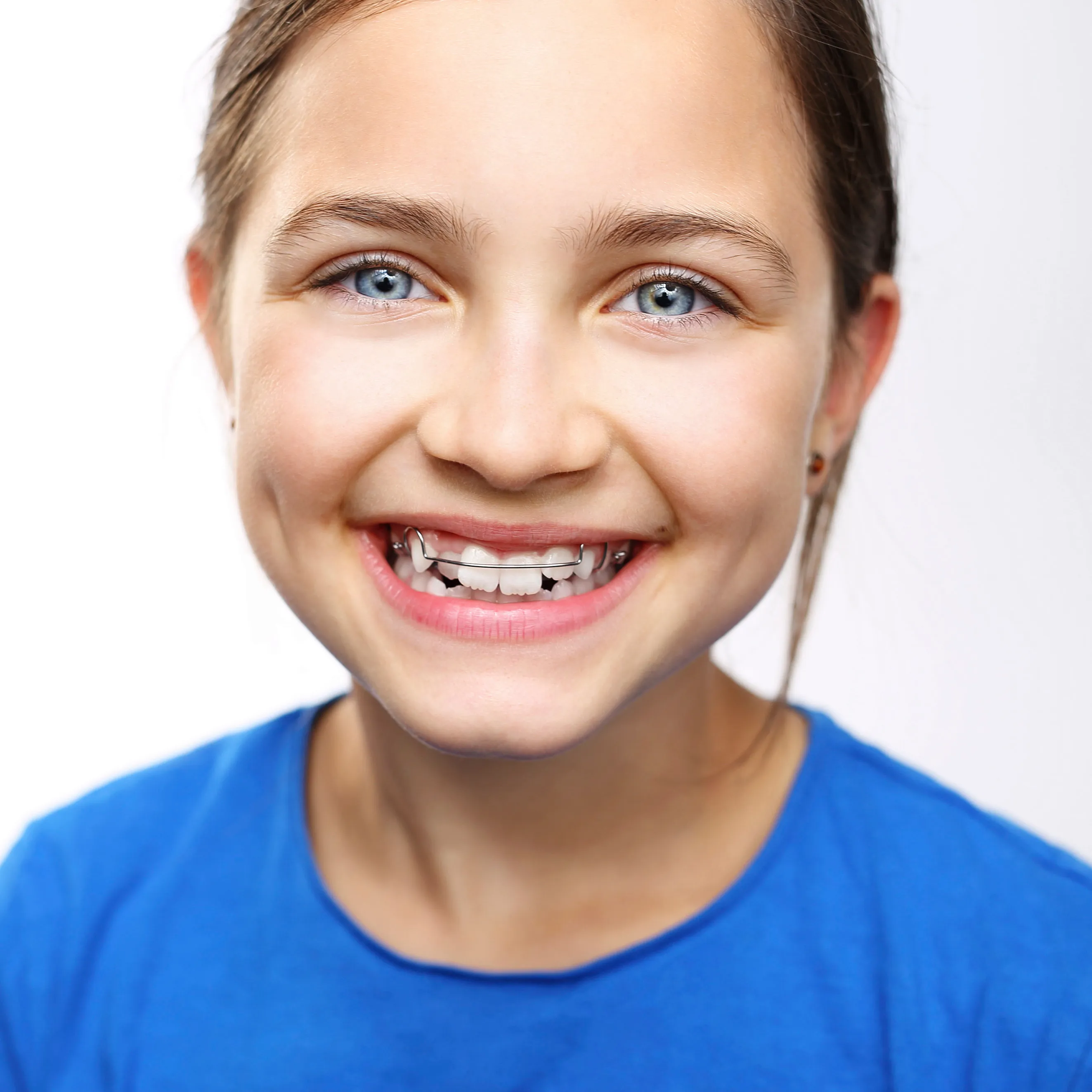
Child Phase I Interceptive (Age 6-10)
When some primary teeth (also called baby teeth) are still present, we can begin to correct problems like severe overbites, underbites, and crossbites. Facial growth modification can be very effective at this age to treat some orthodontic patients, rather than waiting until the patient’s permanent teeth are all in.
Child Phase II Interceptive (Age 12-13)
Phase II treatment usually occurs a number of years later. Usually we are waiting for 12-16 more permanent teeth to erupt before Phase II begins. The goal of Phase II treatment is to achieve an ideal occlusion with all of the permanent teeth.
Adult Orthodontics
Technological advancements in orthodontics allow us to treat adult patients faster, more comfortably, and more discretely than ever before. Whether you have never had braces, or you had them in your youth and are noticing your teeth moving back out of alignment, we offer aesthetic treatment options like Invisalign or the Damon System that will help you to achieve a beautiful result quicker than you might think!
It’s not going to be easy at first, and in the beginning foods you can eat will be limited. You’ll want to stick to foods that are soft, fluffy and easily mashed up. Pancakes, oatmeal, bananas, soups, cooked vegetables, applesauce, mashed potatoes, mac & cheese, and soft ice cream – just to suggest a few.
There are a few tricks around some problem foods. You can cook your vegetables to make them softer, cut your corn off the cob, and slice apples and sandwiches into small, bite sized pieces.
If you’re in doubt about a particular food, ask the team at Pair Orthodontics.
Foods to Avoid
Sticky – gum, caramel, tootsie rolls, peanut butter, toffee
Hard – apples, carrots and other raw vegetables
Crunchy – popcorn, chips
Tough – bagels, corn on the cob, sandwiches, steak, ribs
Brushing
Using a soft bristled toothbrush begin by brushing the outside of your teeth and braces holding the brush tilted at a 45 degree angle. Brush along the top and bottom of the braces using light to moderate pressure, making sure you cover every surface very carefully. Don’t forget to brush the teeth all the way in the back and behind your back molars. It’s a good practice to brush for three minutes at least twice a day. Using a timer or singing along to a song will help you keep track of your time.
Flossing
Flossing at least once a day is very important for good dental hygiene and to keep your teeth healthy. Flossing with braces may seem difficult at first. To floss properly, you will need to thread the floss under the archwire. This can be done in two ways – either by threading the floss through on your own or using a floss threader to thread the floss under the wire.
When threading the floss, it is a good practice to start by pushing the floss vertically from the top to the bottom on your upper teeth and from the bottom to the top on your bottom teeth, always threading away from your gums. Once threaded, carefully floss around each tooth and gum, moving the floss up and down, just like you did with out braces.
For situations requiring immediate medical attention, you should contact your doctor or local emergency medical services.For orthodontic-related emergencies, our office is here to help. Most emergency situations can be temporarily taken care of at home, though. Usually loose brackets and wires that are causing some discomfort or poking can be covered in wax or pushed back into place. Loose and poking wires can be manipulated using tweezers or a pencil eraser. It’s still important to call the office and set up an appointment to have the issue corrected.
In the event of a more severe issue (an appliance breaks, a wire slips loose, or is preventing the mouth from opening or closing) call our office to schedule an appointment and have the problem taken care of right away.Keep in mind that there may be some discomfort for a few weeks after getting your braces on and for several days after an adjustment. In these situations, rinsing with salt water or taking an over-the-counter pain reliever may alleviate the pain.
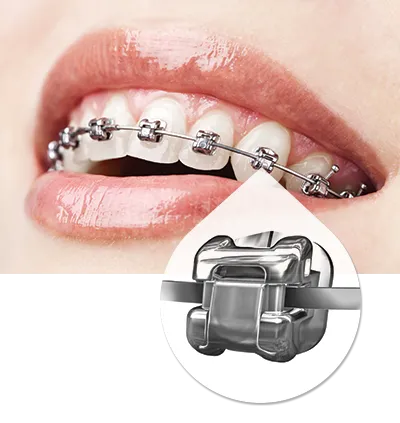
Self Ligating Braces
We are pleased to offer our patients the Damon System. These self-ligating braces allow your teeth to move more comfortably and easily than traditional braces. With the help of this appliance, achieving your perfect smile can be faster and easier than you ever thought possible!
Better Results in Less Time
With Damon braces, we can achieve a terrific end result and finish your treatment more efficiently. Depending upon your specific case, this can translate to a beautiful smile months sooner than with traditional braces. After analyzing your specific needs, we will be able to provide you with a treatment plan that will have you smiling as soon as possible.
Simplified Procedures
Damon braces are very precise and effective. With this system, we can reduce the need for many of the time-consuming, complicated procedures that are used with traditional braces.
Fewer Visits to the Office
Because Damon braces eliminate the need for elastic ties, fewer adjustments are required. As a result, your appointments can be spaced out further, early in treatment, and will take less time.
NORTHRIDGE
18907 Nordhoff St., #42
Northridge, CA 91324
Ph: 818-349-4956
Email: frontofficepairortho@gmail.com
CALABASAS
23622 Calabasas Road, #101
Calabasas, CA 91302
Ph: 818-222-4543
Email: smiles@calabasastoothfairy.com
© Pair & Hoang Orthodontics. 2026 All Rights Reserved | Statement of Accessibility | Online Payment